Latest Entries »

JOURNEY TO MARRAKESH MOROCCO

[This post created in Firefox v.19]

MARRAKESH ou Marrakech, la VILLE ROUGE et LA VILLE des ROSES. THE PINK CITY by the Atlas Mountains, Maghreb. Predominant flower is the rose. All buildings painted pink. A world class city of over a million inhabitants, dating from the year 1062, it is bustling with life day and night. Colors, flowers, roses, people and traffic – cars, donkey carts, everything. It is mind boggling how much life is here. A treasure trove of culture with its old mosques, gardens, parks and palaces. It also has the largest open market square in the Maghreb, the Djemaa-el-Fna. [Jamaa el Fna (Arabic: ساحة جامع الفناء jâmiʻ al-fanâʼ]. And its large number of Riads – court yard mansions in its bustling Medina – walled old city with Souks and market squares. The Riads, some dating back to the 11th century, were originally family homes, now converted to guesthouses, cafes or private spas.

In March 2012 I spent one month in Marrakesh, in the 4-star hotel Dellarosa, R Moulay el Hassan. Booked through a travel agency in Europe, with return flight, and two daily meals.

Why Marrakesh ? Moi, j’aime le Maghreb et la culture Arabe. Having spent already five weeks in Tunesia in 1973, and in 2012 a return visit for one entire month in a Hammamet resort by the Golfe/Gulf of d’Hammamet, Tunisia. (s.a. LA TUNISIE – my other post).

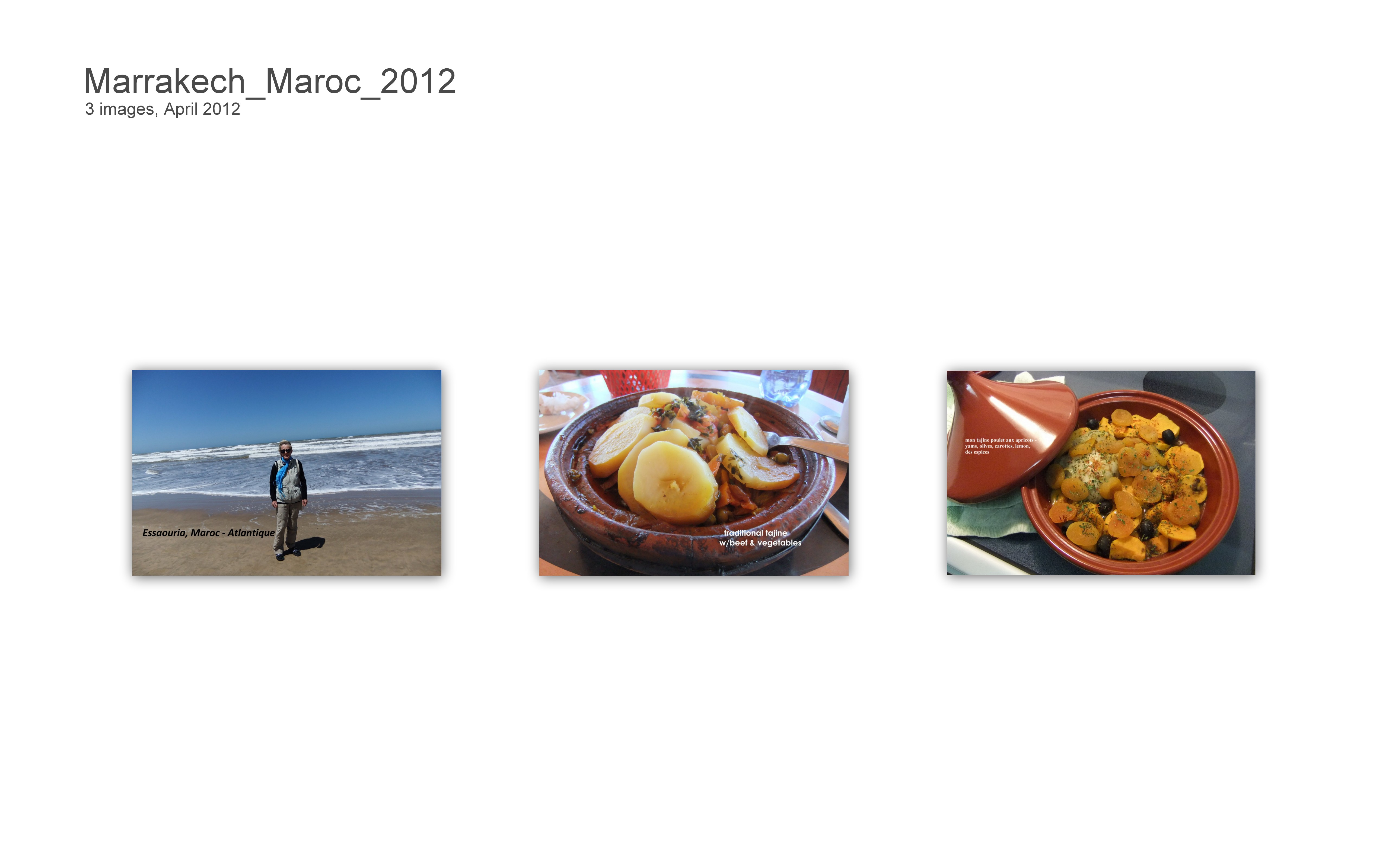
Unfortunately, seven days into my Morocco visit I had a bad accident, I stumbled in the street and fell hard onto the beautiful pink stone sidewalk, thereby among others twisting my foot and fracture my left foot. My plans had been, to take the train for a day trip to Casablanca, and also Fez. During that first week I only made it by bus to Essaouria, the Atlantic Coast. Images below  together with the delicious Tajine I had there. Myself I cook a Maroccan tajine in my own tajine earthenware in Canada. [A tajine or tagine(Arabic: طاجين tajin from the Persian: تابه‎ tabe[1]) is a historically Berber[2] dish from North Africa that is named after the special earthenware pot in which it is cooked] – see collage below:

Trip to Essaouria, Atlantic; les tajines

Polyclinique du Sud, Centre de Radiologie du Sud, Rue Ibn Aicha, Gueliz, was my best choice for professional medical treatment. After my X-rays, I was treated by an Orthopaedic Surgeon, who taped up my foot. Nothing else could be done at this point. With taxi trips back and forth, I also got a set of crutches, and I had wheel chair service. How lucky I was, not to have broken my hip. At home in British Columbia, I would not see an Orthopaedic Surgeon, only the Emergency room in the local hospital. Well, there was my one month, spending three weeks inside the Hotel. I managed to take a taxi cab twice at least for a visit to the famous Jardin Majorelle (Yves Saint Laurent’s creation), and the Palais Bahia. [videos inserted]. And shorten my journeys, to quickly fly back to Canada for treatment of a big blood clot in my leg, result of that fracture.

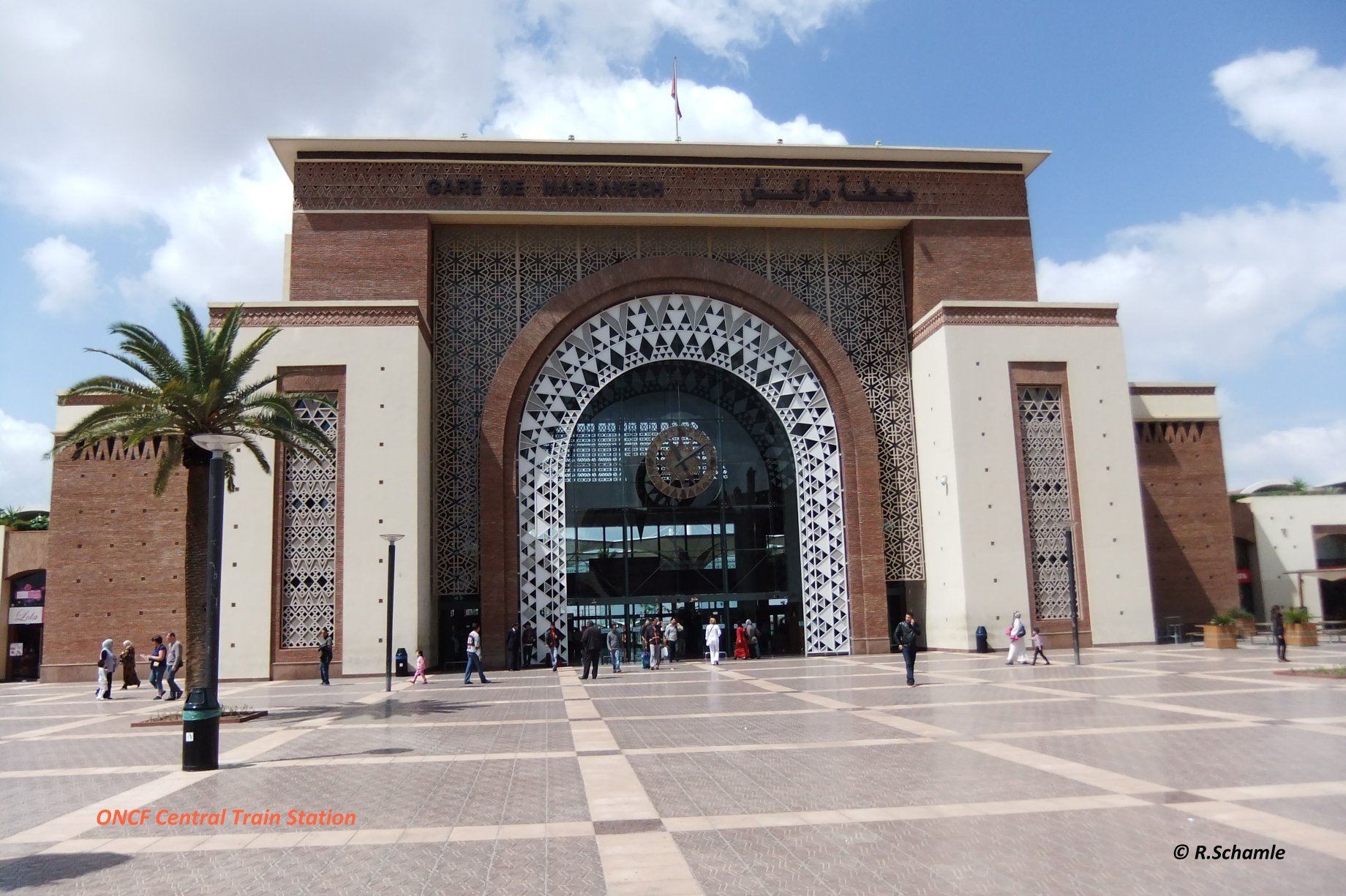
There are fantastic train connections to all the larger cities, for example Casablanca only costs €20 return from Marrakesh.

Marrakech 002

The Kaltenberger Ritterturnier is the largest and longest lasting in the world. Held annually in July at Castle Kaltenberg, Geltendorf, Bavaria.It also hosts a medieval fair.

It is a glorious time to spend among knights, musicians, artists and acrobats, watching archery tournaments and mingling with all sorts of folks in their medieval garments. Admiring the wonderful big horses of the knights. Not to forget the tasty down to earth food and world-famous Kaltenberg beer, brewed right here in the Castle.

The castle was built in 1292 and is currently under the proprietorship of Prince Luitpold of Bavaria, the great-grandson of the last king of Bavaria, Ludwig III. [Wikipedia]. Schloss Kaltenberg changed hands many times from 1292 until 1955 when it was returned to the House of Wittelsbach. Since 1870 part of the König Ludwig Schlossbrauerei is housed in the Schloss Kaltenberg. Over 100,000 hectoliters of beer are produced there. Prince Luitpold of Bavaria and his family currently reside in the castle. The castle also offers a ballroom for events as well as two restaurants. . [WIKIPEDIA]

In 2007 I spent several months in Munich and took the train from there to Geltendorf and up to the Castle grounds, to attend that year’s Jousting Tournament. Despite a cool day and rain starting at the begin of the Knights’ Tournament, this had been a totally enjoyable and exciting experience. For me as a horse person especially, as I have had my own horses shown, raised & trained so many years in Alberta, Canada. The entire medieval atmosphere surrounding the grounds was uplifting.

[NOTE. Images = My digital Sony camera during that time almost gave up its life. Replaced it after. Also, it was dark and raining.]     [post created with Firefox v.19]

FEMALE SOLO TRAVEL

Food for Thought: In the 19th and into the 20th century, a woman traveling alone would be considered having questionable morals. Today – the opposite, a woman traveling with men may be looked upon as having questionable morals. I STRONGLY BELIEVE IN TRAVEL & LEARN.

ADDENDUM March 27/13, Taxi services.  On occasion when it’s necessary I use a cab. For example, when arriving late in an unknown place, unknown country. Even once arriving Flughafen Tegel Airport Berlin, to negotiate the trip to my rental building. One amusing story about this cab driving: Arriving in Mexico last year for an extended visit at Aeropuerto Pto. Vallarta late in the evening. In Mexico it is dark at seven each night, and dark meaning within couple of minutes. I arrived late and usually one has to cross the highway overpass to the other side of the Airport exit to catch a cab. But cabs stood ready right by the exit. They also have fixed rates. To Sayulita (m/l one hour north) it’s 50 US$. The cab drivers work with an organization at the airport whom they must also pay, and usually cannot take less than this rate. But I like to haggle, and offered 40 dollars. To a young Mexican driver. Off we went. I was apprehensive, being alone, sitting in the back seat. The trip takes you to pretty isolated little villages and largely through jungle both sides of the road. Plus despite my maps that I had prepared beforehand, I could not see a thing in the dark. Shortly before the turnoff to Sayulita the driver stopped at a shopping centre (OXO – the largest grocery chain and open all night) said he needed some money from the ATM machine to buy some gas. If I want to do some grocery shopping there? NO. I stuck to my rear seat, and would have never got out of this car. That’s how paranoid I was. He found this amusing. Well, we made it to Sayulita, trying to find this rental Casa compound uphill. The gate was locked and there was a security lock which needed a code. By that time it was after 9 pm. Luckily, the young man could phone on his cell phone the owners from the papers I had on me – who just happened to have visited their property from California – and they gave me the entry code. This young Mexican cab driver was so nice and helpful, he helped to carry my two small suitcases up the steep hill to my casita (apartment). So, I gave him some more money. This whole thing again proves, that often when we are worried travelling alone, there is no need for it. In fact, the opposite. More people are helpful than people want to hurt you.

For the first morning following arrival after a long flight, I always carry with me instant coffee, tea, dry food to at least have a breakfast. When arriving in a certain country, be it in North America, Central America, or anywhere in Europe, the next day after arrival I find the local grocery stores and within a short time the best deals to buy food. Prices vary considerably from grocer to grocer, depending where. Even in Saint Petersburg, Russia, – in that case I took a group travel, with a guide, because the city is a treasure trove full of culture and palaces and buildings. A guide is a must. We stayed in the largest hotel, the Moskwa – it is huge. Next door was a big underground grocery store, where you could buy groceries and water for your evening suppers. Cheap. And St. Petersburg is one of the more expensive cities. Food is usually safe, water watch out. Some larger world-class cities have clean water (eg. Marrakech, Maroc), some do not. Europe’s water is always safe to drink, Mexico not. Just be careful.

Luggage. I usually only take two small carry-on suit cases, one as cabin baggage, one for checkout. Easier to handle when moving, no need for renting cars or cabs.

What I pack: most importantly electronic equipment, cables, power adapters, camera stuff with charger, phone, my net book, memory sticks for data backups, and important vitamins and prescription medication (which in most countries are not so easy to find or if, then expensive). The most necessary are pain killers, celebrex, and for skin problem, if any, and whatever anybody needs for their own medical reasons (not forget the intestinal). What else I found is expensive to buy are herbs and spices – since I do my own cooking. The minimum I take with me is a small black pepper mill, and mixed herbs for Italian cooking. Clothes – not many. Only one pair extra shoes, because they are expensive to buy. Clothing in any country anywhere in the world is easy enough to buy second hand, if needed. Since I arrive from a colder country (Canada) it is always easier for me to wear layers of clothes when leaving, carry them through the airport controls, and same when arriving back. Leaves me with a few light clothes and the most necessities. My Tilly vest has so many pockets, I always wear as one of the layers when leaving and returning, holds my passport, important documents, money belt, glasses, shades, small tooth cleaning kit, bandages, pen, a few maps. And of course, couple of canvas bags for groceries’ shopping. I usually wash laundry daily where I rent on vacation. Two things I learned: (a) each time I travel, I carry less; (b) I can pack in 15 minutes for a 3 months trip.

I try to avoid renting a taxi. Because as a woman alone, it is not safe in some locales. One looses control. And misses a lot of wonderful sights when stuffed inside a taxi cab. [note my story Sayulita taxi above]

Public transportation: I always before leaving my home research very thoroughly the public transportation system of the country to which I travel. Starting with a map of the airport (arrival), where to go to find the nearest bus station after arrival. Funny example: Spain, Alicante. I had all the information necessary to get out and get onto the bus. Upon arrival, hundreds of European travelers hanging out in the arrivals hall, trying to rent a car (expensive). The local bus was only €3 to get to Alicante, to my hotel. And fast, in couple of minutes I was out and on the bus.

Being alone, I also avoid to go out after dark. In all those years I had never experienced an attack in a city, no matter where. The odd time one looses something (theft), but I found it was always my fault.

Usually I choose a town or city as a base, from where to make trips. Mostly using the local bus system, or of course the trains (especially in Europe). Or a boat. Whatever. Mostly I walk.

Most importantly: I mix with the locals, using their language. With 4 to 5 languages, I never had a problem to get along. This cannot be emphasized enough.

Example: Saint Martin, Caribbean Islands, French. I walked, got stuck somewhere, needed a ride, found a nice local lady who drove me, I only had so many Fr. Francs in my pocket, which she accepted. When arriving back at the resort, the American tourists complained about the extreme cab prices.

I avoid too touristy spots. And if possible of course large gatherings of people. There were times I found myself in dangerous situations – as far as terrorist activity.

Destinations: Of course everybody has their own preferences. But I have chosen, not to visit countries which have a poor human rights record. Moreover, countries who mistreat their women, or do not show them the respect they deserve. Mainly countries where rape is not a crime, but has become a pastime. Likewise, I avoid travel to countries which mistreat wildlife and trade in wildlife parts on markets.

HAPPY TRAVELING !  [post created with Firefox v.19]

Fort MCMURRAY ALBERTA 1987

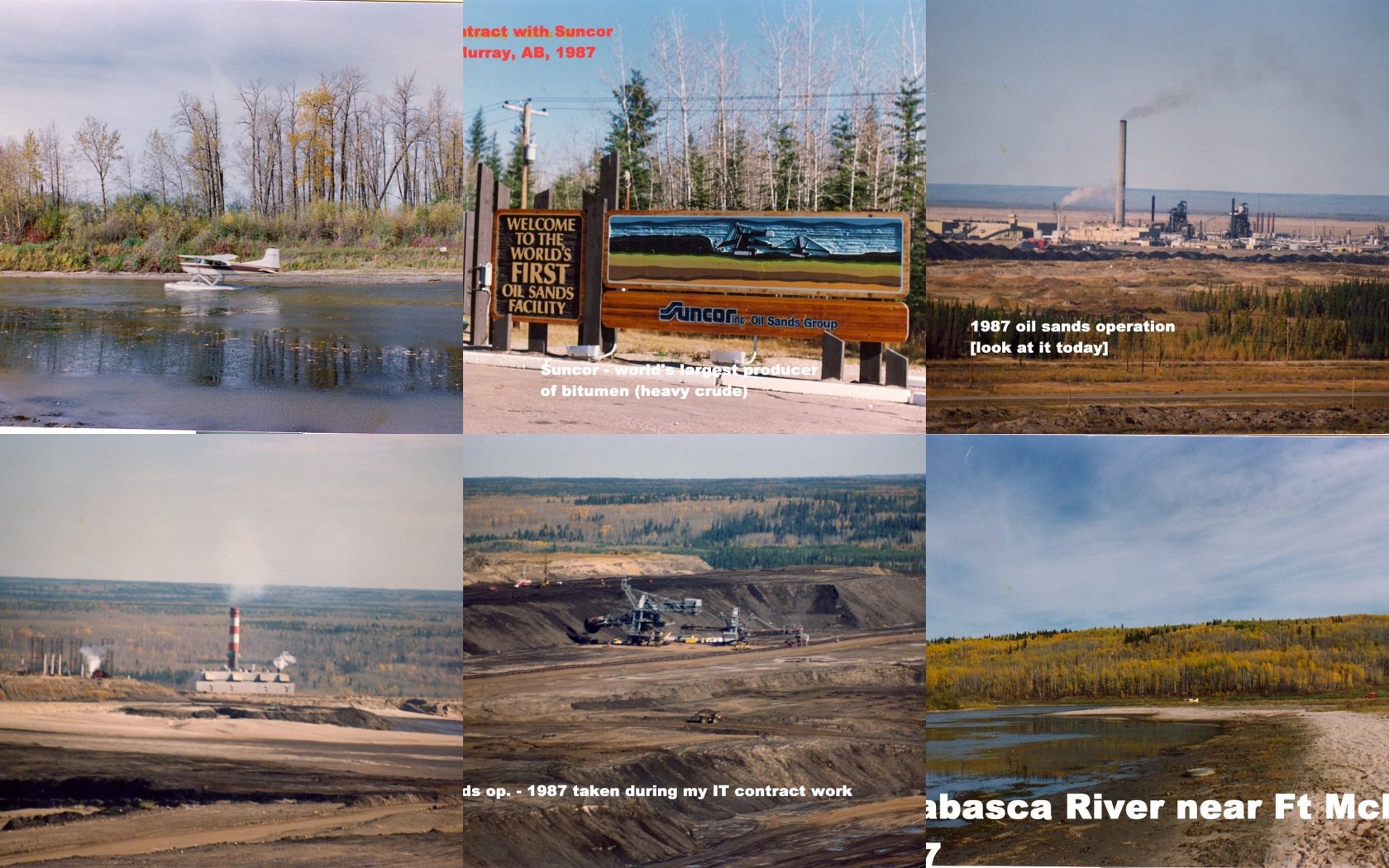
In 1987 I worked on a computer contract for SUNCOR at Fort Mac. Not very long into my contract we had an explosion in one of the buildings on site, right next to the administration building which housed the computer systems department. Environment Alberta arrived and decided that all contracts were to be cancelled and the contractors sent home.  Because of PCB contamination danger. [PCB = polychlorinated biphenyls, a cancer-causing substance]. These were leaking out of old transformers. My images show Ft. MacMurray in 1987. It was a small community then. Images also show oil pollution in the rivers around it.1987_FtMcMurray1

In 1790, the explorer Alexander MacKenzie made the first recorded description of the oil sands. By that time, trading between the explorers and the Cree was already occurring at the confluence of the Clearwater and Athabasca Rivers. The Hudson’s Bay Company and the North West Company were in fierce competition in this region. Fort McMurray was established there as a Hudson’s Bay Company post by 1870, and continued to operate as a transportation stopover in the decades afterwards. [WIKIPEDIA]  [post created with Firefox v.19]

TUNISIA – LA TUNISIE

1973 juillet/July, mon voyage à Tunisie – cinq semaines dans le Club Mediterranée. Korba. My 5 weeks vacation in Tunisia. Where I met Hedi Ben Sassi, l’Arabe. C’était la plus grand amour de ma vie. While in Korba Club Med, I metan Arab and fell in love, and he with me. Comme j’avais habitee en Hollande, Hedi m’a suivi, et fait le long voyage de Tunis via Tanger, Europe aux Pais Bas. J’avais quitté les Pays Bas en 1974 et suis allée au Genève, La Suisse. Mes derniers lettres de Hedi etaient en 1975, comme j’ étais déjà dans les Etats Unis. These are images of THEN 1973: –

Many, many years later – in fact it has been March 2012 – I went back to Tunisia. For one month. Went to Tunis by bus, trying to look for the last address of Hedi. Malheureusement, c’etait seulement l’annee 2012 que je suis rentree en Tunisie, mais je ne l’ai pas re-trouvé. Triste histoire d’amour.

These are images of NOW 2012: –

2012, one month Les Orangers Beach Resort, Golfe of Hammamet, situated along the strip by the ocean between Hammamet North and Yasmin South.

Hammamet (Arabic: الحمامات‎ El-Ḥammāmāt) is a town in Tunisia. Due to its beaches it is a popular destination for swimming and water sports. It was the first tourist destination in Tunisia. It is located in the south east of the northern peninsula of Cap Bon in the Governorate of Nabeul, on the northern edge of the Gulf of Hammamet. {Wikipedia]. Les Orangers has at least four restaurants, bar, cafe to choose from. Two large swimming pools, one indoor heated. Including return flight from/to Frankfurt DEU, and emergency medical insurance, total I paid for one month for a double room/single occupancy (no extra), sea view and all inclusive food, drinks, bottled water, wine, cocktails, champagne, and entertainment was €1.046 (about $1,300). The month of March weather had been quite cool.

This next slide show shows images of the Resort: – 

OCTOBER IMAGES OF ALBERTA ROCKY MOUNTAINS

R SCHAMLE

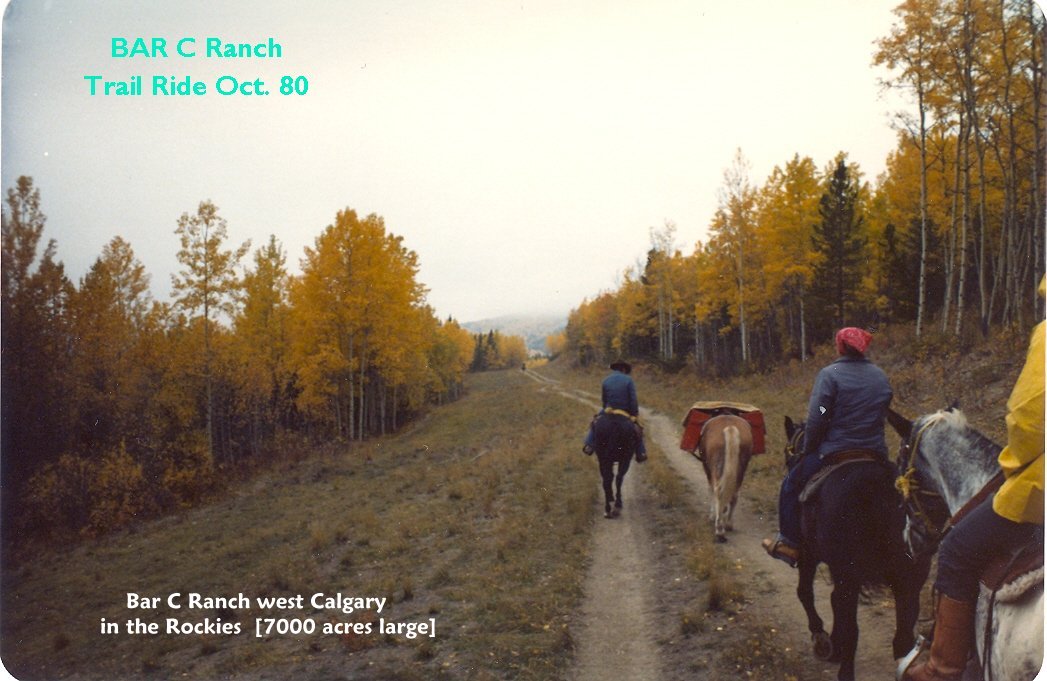
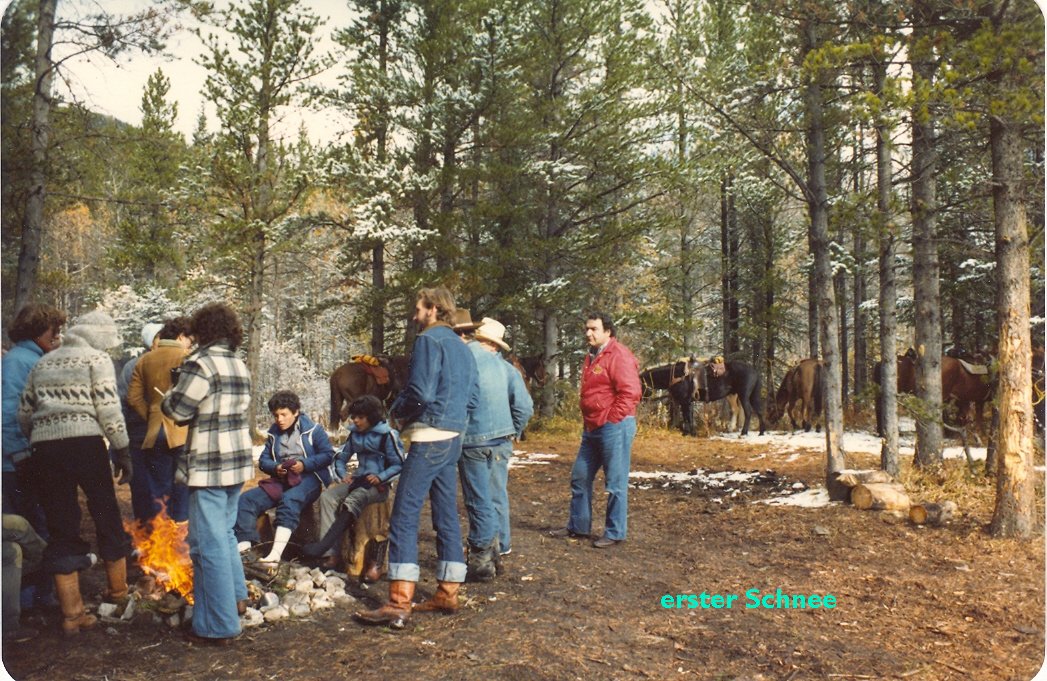
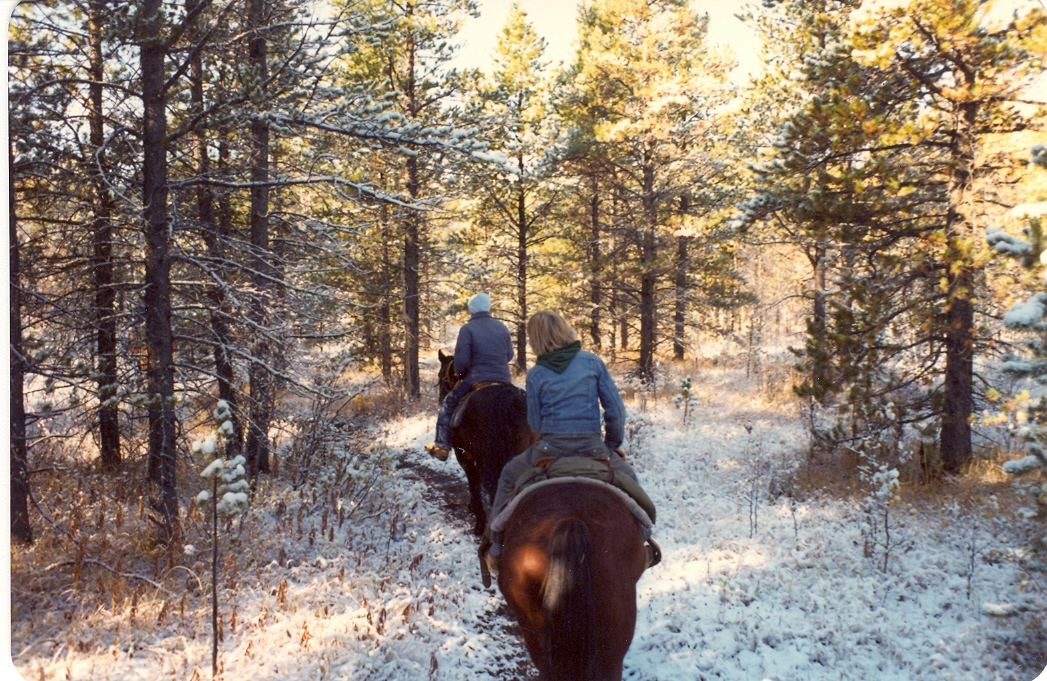
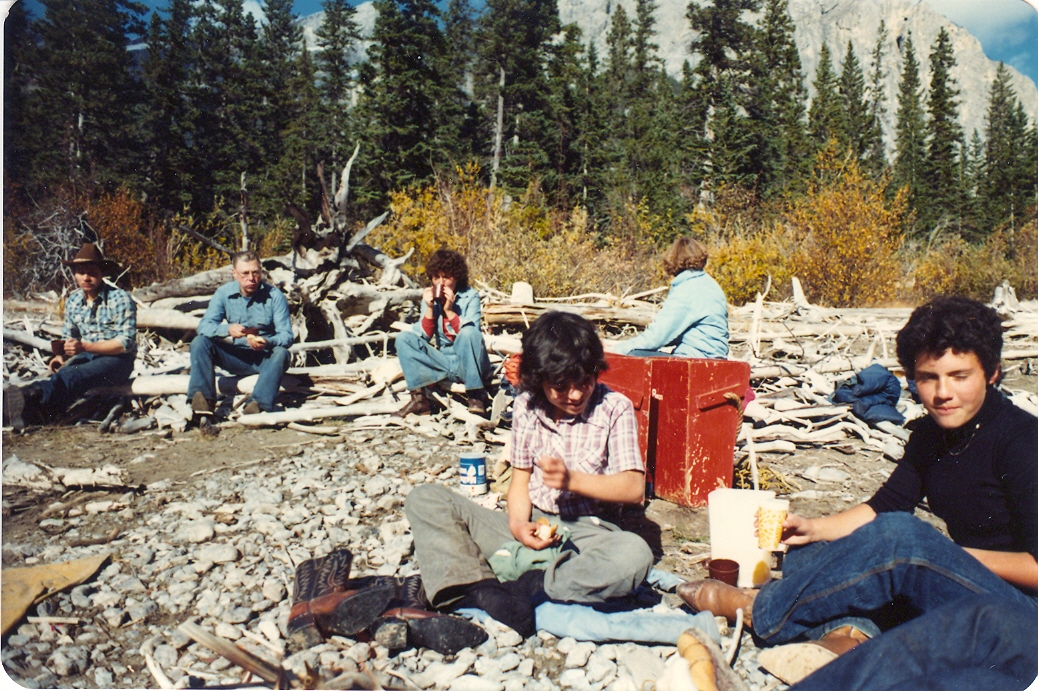
 image0002 image0003 image0004 image0006 image0009 image0010 image0012image0005This is only October. But usually in October around Thanksgiving we get the first snow in the mountains. On this trail ride the Rockies show a typical weather pattern. We started sunny, then overnight the first snow, quite cold, then the same day the sun breaks through and the mountains show themselves at their best. This ride was quite high in the mountains. I have done others towards Great Jack Lake/Banff, where overnight we needed high electric fences to keep Grizzly bears out. We then stayed overnight in army tents.

BERLIN WALL – DDR [History]

BERLIN – die MAUER

13. August 1961

[Memories of the DDR]

 Walter Ulbricht (Leipzig, 30 June 1893 – Groß Dölln, 1 August 1973), German communist politician. He played a leading role in the creation of the Weimar-era Communist Party of Germany (KPD) and later (spending years in exile in the Soviet Union) in the early development and establishment of East Germany (the German Democratic Republic). “Espousing the motto ‘it must look democratic but we must control everything’, he set about establishing an SED dictatorship.”[1] He was first secretary of the Socialist Unity Party, and as such the actual leader of East Germany, from 1950 to 1971. From President Wilhelm Pieck‘s death in 1960 he was also the East German head of state until his own death in 1973. (partially from Wikipedia). Ulbricht’s most famous statement: “Niemand hat die Absicht, eine Mauer zu errichten.”

Im Januar 1961 – vor dem Bau der Mauer – war ich mit meiner Freundin (einer Berlinerin) auf dem Wege von Braunschweig nach West Berlin, per Zug. [NOTE.The West Sektor was formally established on 1 July 1945 defining the boundary between the Western and Soviet occupation zones of Germany. On the eastern side, it was made one of the world’s most heavily fortified frontiers, defined by a continuous line of high metal fences and walls, barbed wire, alarms, anti-vehicle ditches, watchtowers, automatic booby traps and minefields. It was patrolled by 50,000 armed GDR guards who faced tens of thousands of West German, British and U.S. guards and soldiers.]

Wie gesagt: wir fuhren bei Zug. Zu dieser Zeit war ich als Informations Spezialist tätig bei dem Deutschen Luft- und Raumfahrt Zentrum, DFLR, Waggum bei Braunschweig [http://www.dlr.de/dlr/desktopdefault.aspx/tabid-10254] .

Mit dem Zug nach West Berlin zu fahren bedeutete, durch den Ostsektor zu fahren, um in den Westen zu kommen. Zu diesem Zwecke wurden Spezialzüge gebraucht, die mit schweren Stahlplatten auf Bodennähe versehen waren, damit niemand sich da unter hängen konnte, um aus dem Osten zu entkommen. Nahe der Grenze hielt der Zug, um VoPo’s (Volkspolizisten) durchzulassen zur Kontrolle von Reisenden. Das Beste war, sich klein zu machen. Ich hatte zur Vorsorge alle Ausweise von der DFLR zurückgelassen und wies mich als simple Sekretärin aus. Keinen Augen Kontakt mit den VoPo’s zu machen war wichtig. Die waren alle schwer bewaffnet.

DEUTSCHE gegen DEUTSCHE.

January 1961 we took the train from Braunschweig to Berlin, West Sector. Those were special trains with heavy metal grates fastened underneath to prevent East Germans to escape by laying underneath. (like the old Wild West.) At the border, trains were stopped, passengers checked by heavily armed VoPo’s.

The Berlin Wall – die MAUER, wurde 1961 errichtet und war am 13. August 1961 fertig. Im August war ich schon in München. Habe dort gearbeitet. Wegen der schweren Aggressionen der Sowjet Union – die täglich mit Jets über Berlin flogen, die Schallmauer durchbrachen – flohen viele Berliner in andere Städte, besonders auch München.

[More re. Stasi, Vopo, Berlin Wall in a future post]


ALBERTA WINTER

ALBERTA WINTER

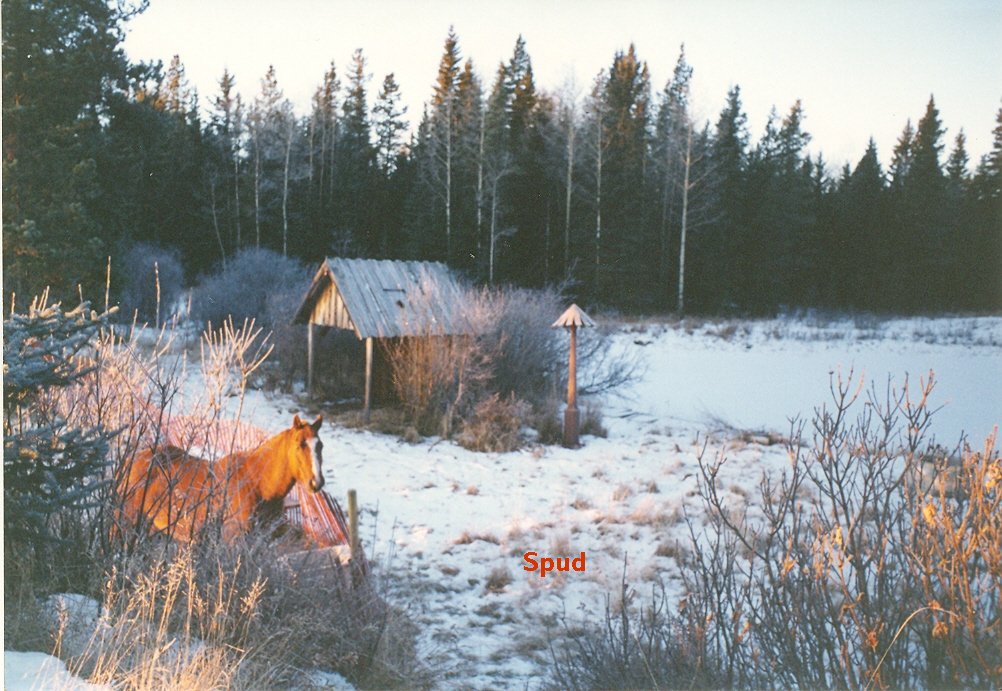
Image Although I feel for those poor souls in Europe, and their snow and cold troubles, I have to admit what comes in mind is: “There is no such thing as cold weather, there are only wrong clothes.” (As we always say here in Canada where snow and cold can occasionally last from between September and June in certain areas, especially Alberta.).In Alberta, the last heavy blizzard usually arrives in May each year. Despite, Alberta is one of the most beautiful Western provinces. No wonder that many movies – Westerns – are made right there.

For over 25 years I lived in the Rocky Mountain Foothills, west of Calgary.

Remembering the winter of 1997 – minus 50 degrees Celsius for a week. I had a ranch and horses, and they had to be fed. Getup at 5 in the morning, go out there with heavy clothing, and lug some hay bales around to the guys.

I also recall the many months I had to work up north on a computer contract, travelling 400 km one way between southwest of Calgary and downtown Edmonton. There were times I saw dozens of cars in the ditches, upside down and inside out, myself almost the only person on the highway – driving slow, slow (30 km/hour) to get there.

Then again we also had good times. When still living in the midst of the Kananaskis Country southwest of Calgary (best ski areas around), we often went out with the horses, wearing very heavy clothes when riding, then stopped somewhere, made a fire, and had something to eat and drink.

One can adjust to the situation. One can also find it good exercise to have to dig out a car, or shovel snow.

Since 2002 I am living in Victoria, Vancouver Island, Canada’s Pacific west coast, milder weather. Sometimes even miss the snow.

SAYULITA, Nayarit, Mexico 2012

SAYULITA, NAYARIT, MEXICO – 2012

Los Estados Unidos de Mexico. Six weeks Riviera Nayarit. Surf Paradise. Compared to the Bahia de Banderas, Puerto Vallarta, Jalisco, this part of the Pacific Ocean has the best and strongest surf. Prior to arranging this vacation, I had researched the most necessary facilities in that area.

But, reality is always different.

MEDICAL SERVICES

These are 3-tiered: Pharmacies, medical doctors/dentists, and the Salud Medical, local walk-in 24hr medical clinic, intended for Mexican families.

As precaution I had taken out an emergency travel insurance. Which turned out to be useless in the end. The one time I needed medical services, I could not find any. Supposedly there are several doctors in Sayulita. Turned out, they are either practising in the next village San Pancho, or they are affiliated with a pharmacy and are not available when needed. Prescription drugs are sold over the counter – when available. For any Canadian travel insurance receipts are needed with a doctor’s stamp/signature, to be valid. The lady at the pharmacy who sold me a prescription drug attempted to put here own signature (falsified doctor’s signature) on the receipt. Of course, that won’t do. My next trip will not be to a tiny pueblo without any public phone, ambulatory or medical services. My advice: take all your most important prescription drugs with you.

BUS SERVICES & OTHER

There are plenty of local buses. Most are older models and their shocks are pretty much shot being the poor condition of the roads. Also, it helps to know where to get on and off, because

drivers – as friendly as they may be – are not always helpful. Know your Spanish, ask. Sometimes, you are OK, sometimes not. I travelled a lot using the local bus system, it is cheap

compared to taxi – eg. Taxi Sayulita to Pto. Vallarta Aeropuerto is $50, bus is $2.50.

Pointless to negotiate with the cab drivers, as they pay their money for a ride to some third party most likely. Nearest post offices are Buceria (45 minutes bus), possibly San Pancho – in the direction of Tepic, the provincial capital of Nayarit.

PUERTO VALLARTA

Has grown tremendously, last time we visited had been 1983. From Sayulita you can take the

bus to the Marina, then from there the CITY bus, cheap. Takes you anywhere.

RENTALS & FOOD

I had rented a casita in a big beautiful casa with a deep swimming pool. Fantastic for cooling down. Temperature had been around 30, but felt hotter because of the high humidity.

No real roads, you have to carry your groceries uphill. Nearer the town, overnight rates are higher. Wonderful inexpensive fruits and produce. Look around and find the vendors with the good prices. There is a wide variety.

BEACH

Lots of Surfing – is the way to go. Never seen so many dogs, but that’s typical. 

 Los_Muertos 004 Pelicanos 013 Sayulita 020