
My recent visit to the Yukon [Yukon Territory, or YT] has not only been interesting against all expectations, but was an educational experience, and different in many ways. By the way, Yukon officially became a territory of Canada on June 13, 1898. The Yukon is amazing with its natural wonders. The Yukon River is he second largest in Canada, its mountains are the highest in Canada.
Our tour focused on Whitehorse, YT and its heritage vintage venues and cultural treasures, to be topped off by the exiting historical railway journey from Carcross (South East of Whitehorse) through the Coastal Mountain ranges south to Skagway, Alaska. From there sailing back to Vancouver through Glacier Bay National Park and British Columbia’s Inside Passage.
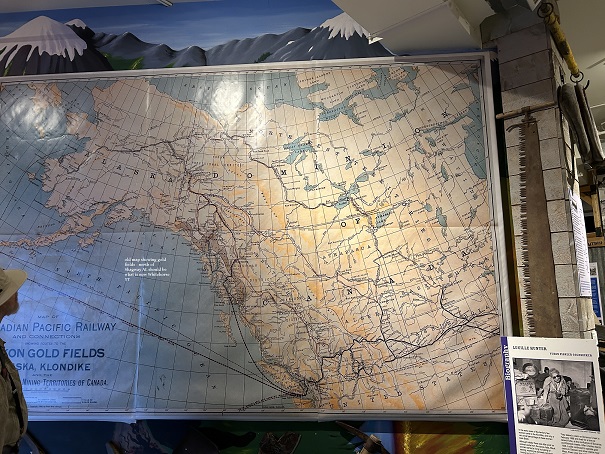
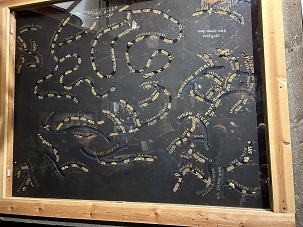
We flew from Vancouver to Whitehorse, the Capital of Yukon. I had prepared myself with mosquito spray and a mosquito net. Not necessary at all. It was warm throughout this trip and not one mosquito. There is a wealth of heritage preservation and a strong connection to indigenous cultures. From a historical point of view, the Yukon is particularly interesting because of course of its GOLD. The discovery of gold is what drives the early history of this Canadian territory and Alaska and connects them. [KLONDIKE originates from Tr’ondëk, a word in the Hän language of the local First Nations in the Yukon. It translates roughly to “hammerstone water,”]. Massive gold deposits on Rabbit Creek (renamed Bonanza Creek), located near the confluence of the Klondike and Yukon Rivers triggered one of the world’s most famous gold rushes. Yukon still has massive gold reserves, but 75% of the placer gold is hidden in undiscovered deposits.
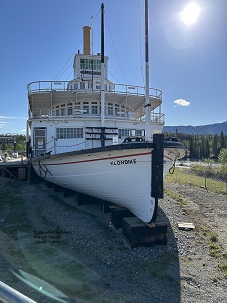
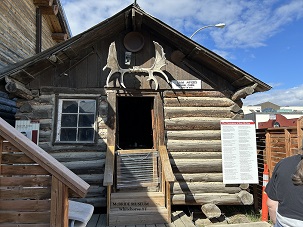
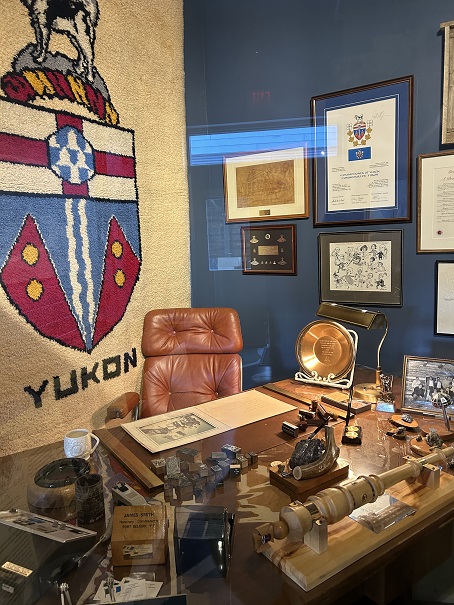
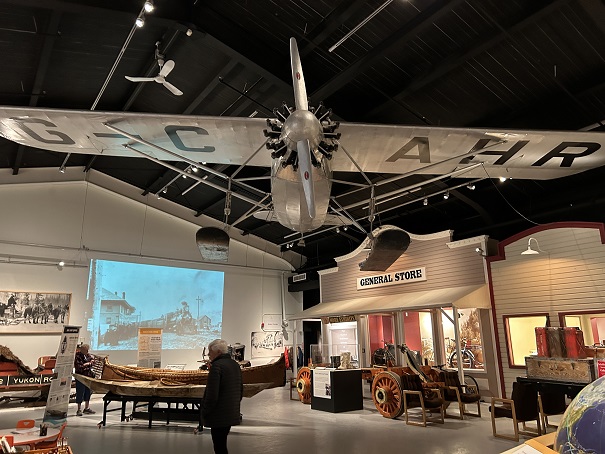
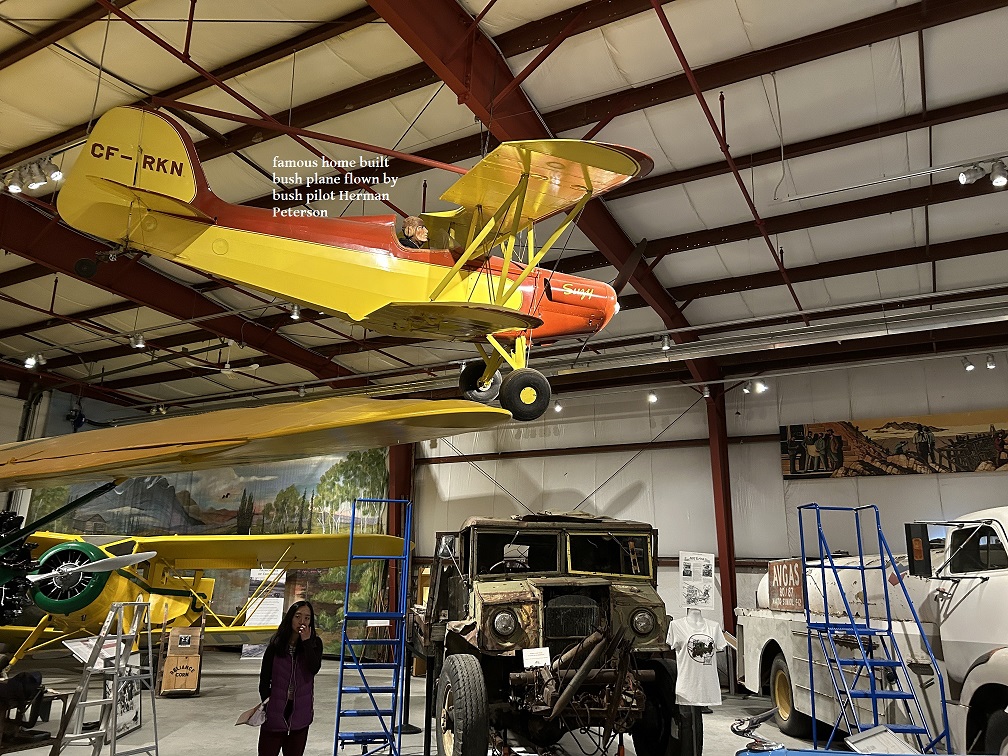
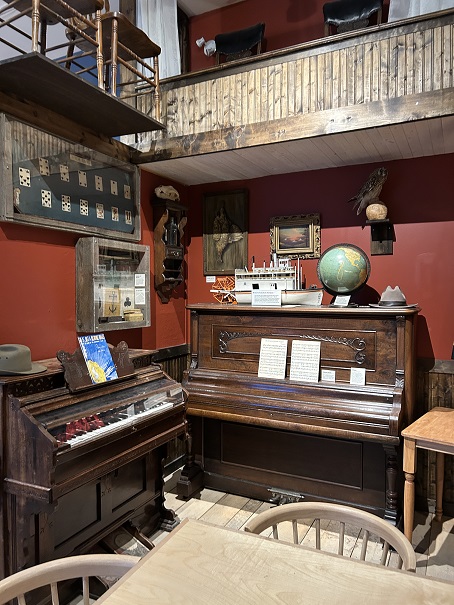
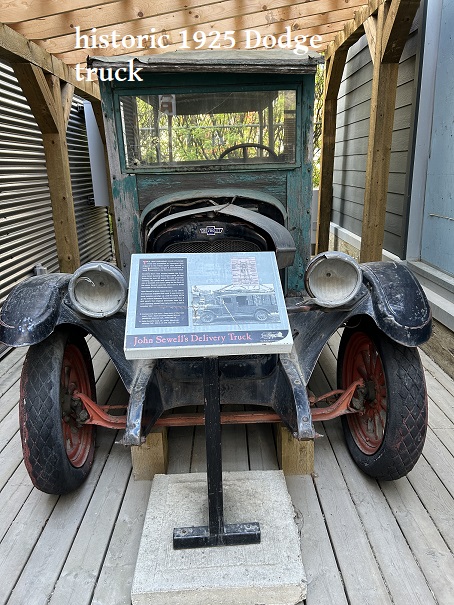
During the three days in Whitehorse, we visited a number of historical venues in and around Whitehorse: S.S. Klondike National Historic Site shows the old stern wheeler, built 1937, now dry-docked on the bank of the Yukon River. The McBride Museum displays a large selection of original gold miners paraphernalia. Heritage galore ! The Yukon Transportation Museum has original old bush planes exhibited as well as railroad and early vehicles items. As a top-off a visit to the Eclipse Nordic Hot Springs out side of Whitehorse (sorry, no pictures allowed).

WHITE PASS & YUKON ROUTE – RAILROAD [In short the WP&YR]
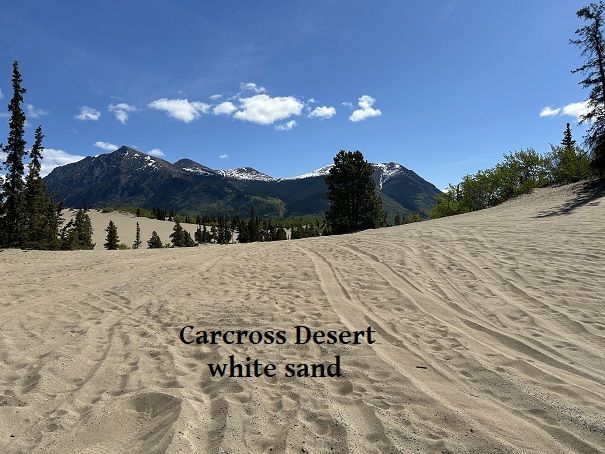
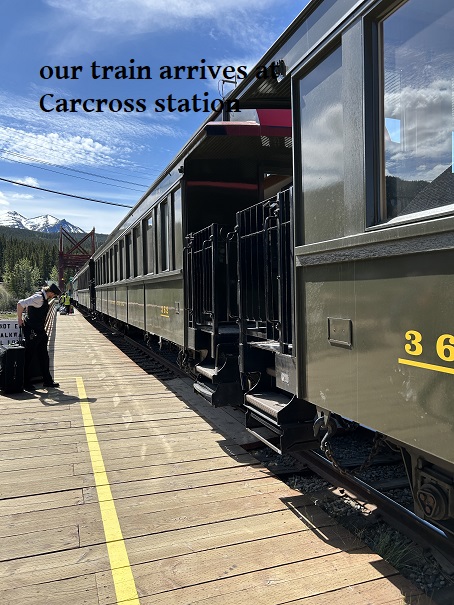
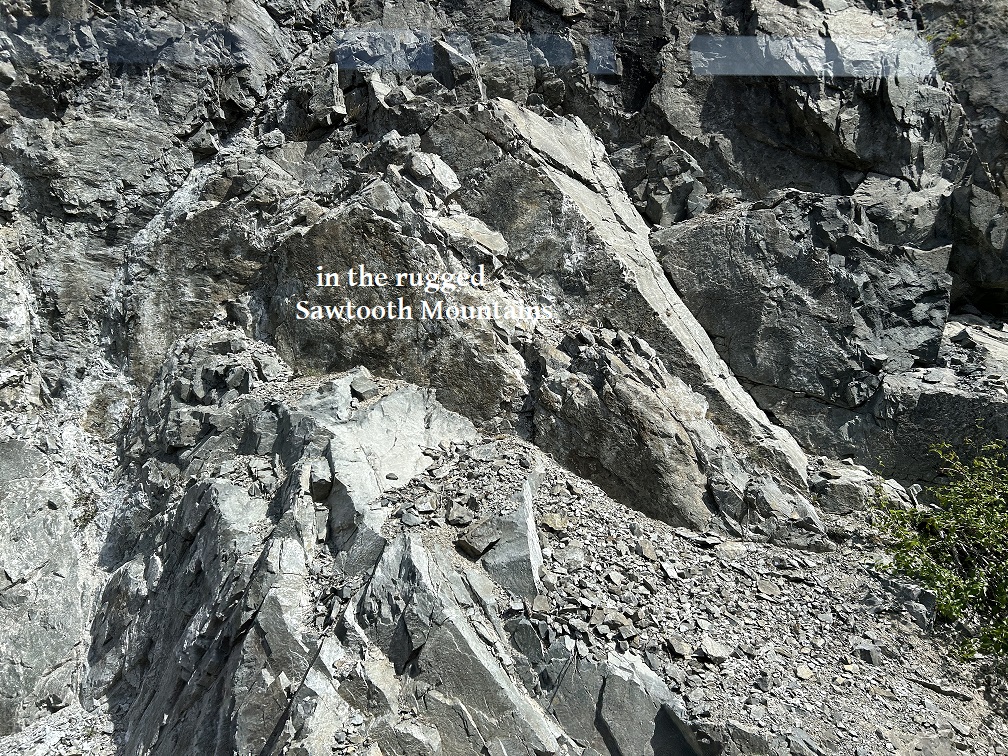
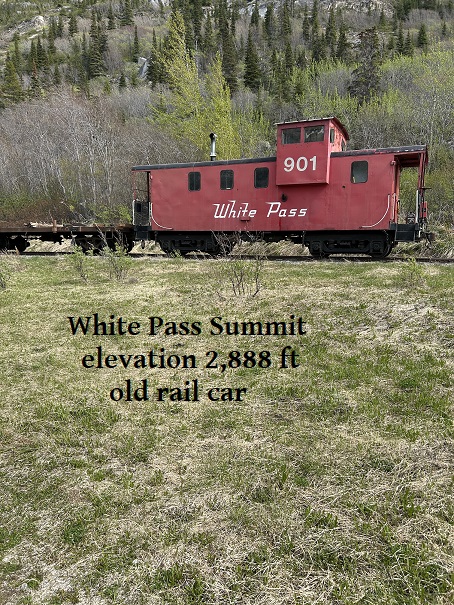
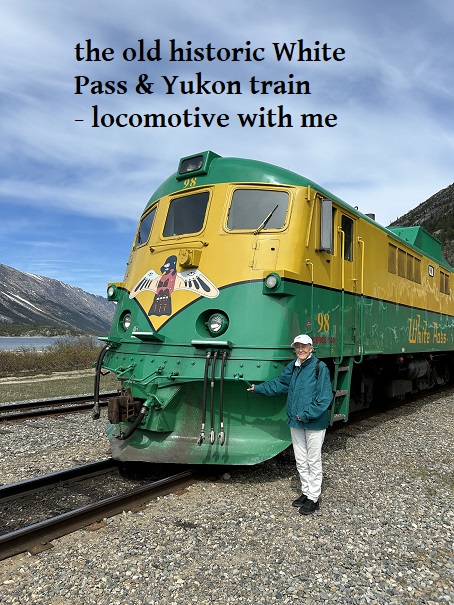
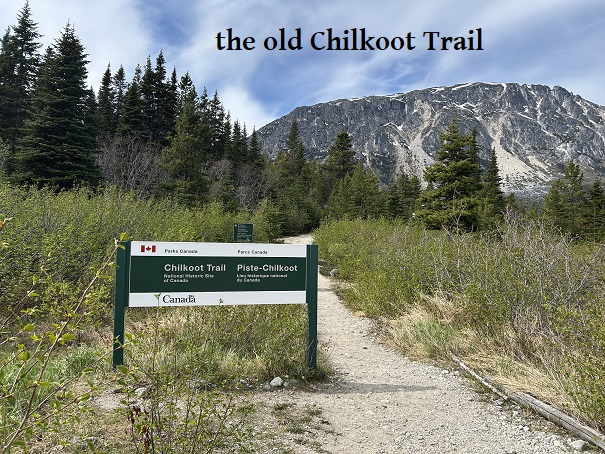
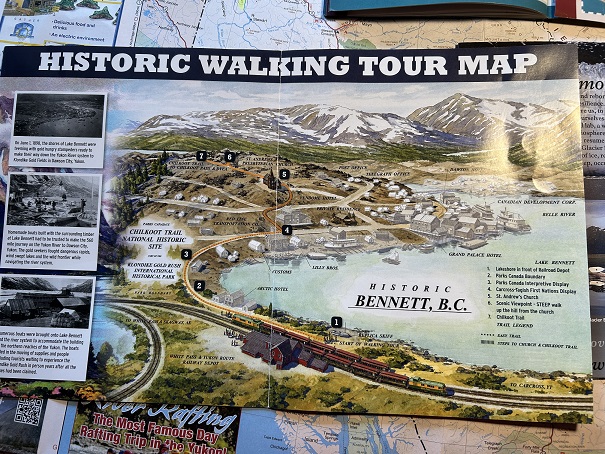
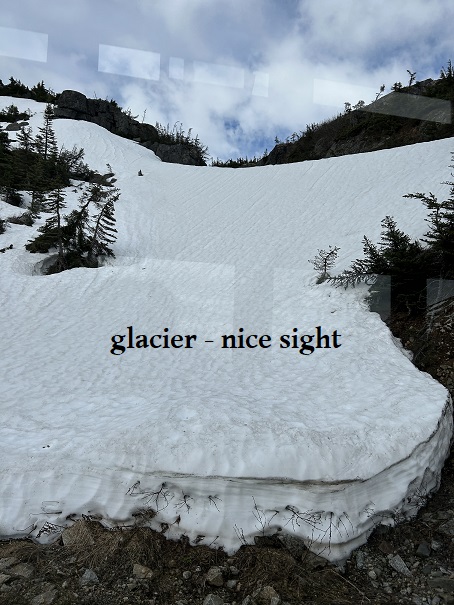
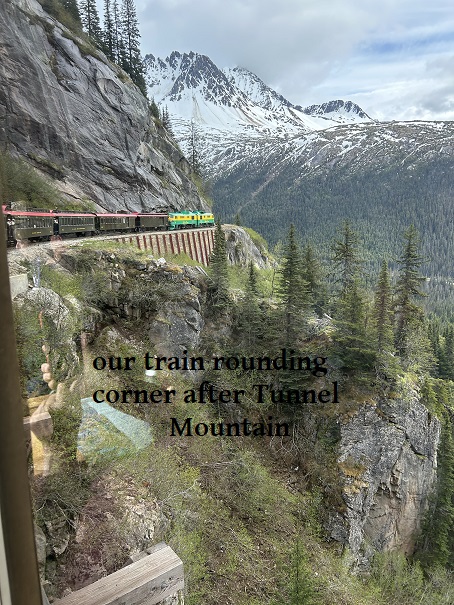
The most interesting part of this tour has been the historical railroad journey from Carcross, Y.T. ( just south of Whitehorse) to Skagway, AL. Following the discovery of gold in 1896, this railroad was intended to make it easier for the gold miners to cross the high mountain passes, instead of using the Chilkoot Trail, now a national historic site. The railroad was completed in 1900. On a narrow-gauge track it had started in Skagway, Alaska – elevation 0, and ended at Carcross, Yukon, elevation 2,159ft. Crossing the steepest mountain passes at an elevation of 2,888ft at the White Pass Summit. Today the train is used solely for tourists to travel booth ways. Along this route we also stopped at several historic locations, like the old town of Bennett and walking the trail in the mountains by the Chilkoot pass. This railway trip is 46km, approximately 4 hours with stops in between. We sighted several black bears on our train trip. It was a comfortable easy ride with terrific vistas along the 41km of Bennett Lake and seeing this old train making its way around the steep mountains.
FROM SKAGWAY, ALASKA CRUISING BACK TO VANCOUVER, BC
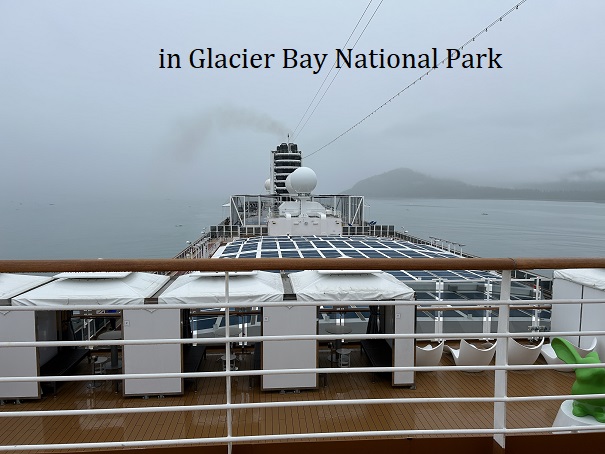
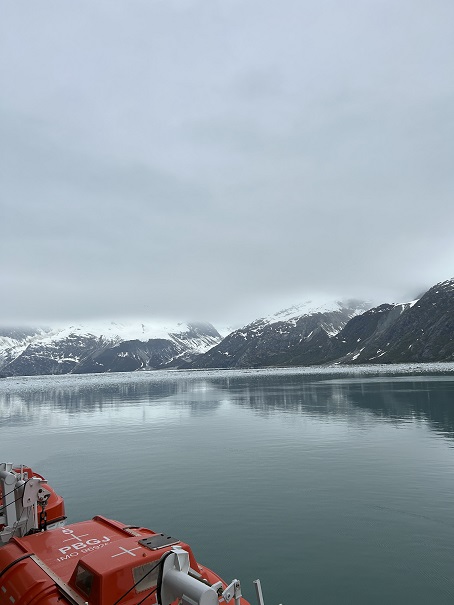
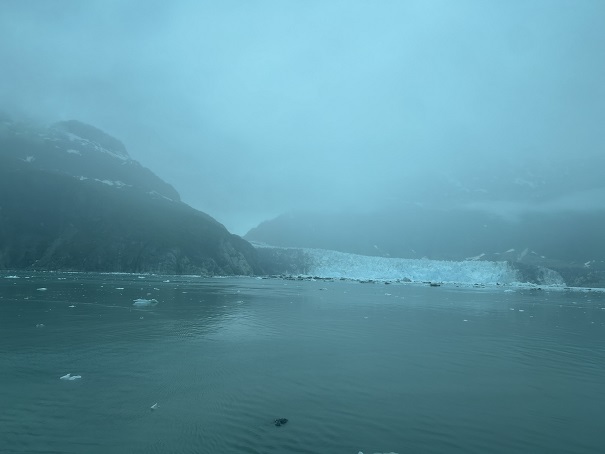
Skagway today is solely a tourist trap. It was an old historic town and had a strong connection with the gold rush. Most large cruise ships, however, are leaving from here or are docking here. Having boarded the cruise ship and sailing South through Glacier Bay National Park, Alaska and the Inside Passage, British Columbia, hoping to spot some remaining glaciers. Unfortunately it was foggy and no good enough sight for some decent photos.


 LIFE's STORIES, ADVENTURES & TRAVELS
Coffee – Cafe – Kaffee
COFFEE – CAFE – KAFFEE
2020 the best year of my life, with a world wide pandemic, virus here, there and everywhere. What’s a person to do to have at least a feeling of a social life, especially if you are alone. Often I go out (in fact daily) for a walk, or take my bicycle, to the park, sit down, have a coffee. Better, yet, sit somewhere in one of the newly created outdoor cafes. Even sitting alone at a table feels better than sitting alone at home. YUK !
Coffee for many years has become an important part of my traveling life. In Europe, and on the continent. Victoria, BC, Vancouver Island: Although I have not tested all cafes, some are good, some not so, some are too expensive for the quality of coffee.
A decent cup for C$2.00 is pretty good. Murchies, 100 year old pattissery and eating place downtown. Not bad. Crust Bakery on Fort C$ around 2.00, also, but must sit outside, lots of street traffic. Other places (being that Starbucks closed down a lot) can go anywhere from C$2.50 to even over C$up to 4.00. Too expensive. My Italian shop in Victoria, on Blanchard, has the best Italian imports, everything (dozens of different panettones during Xmas season), and also a little corner cafe to sit. Regular coffee not so strong, espresso, Americano good. Prices good. [Reminds me of my Panettoni story: During Xmas 2015 went to Italy, from Cannes, bought a big Italian Panettoni, took it home to Canada in my suitcase.]. Yet, nothing beats a good Weihnachtsstollen.
While traveling in France, spending three months in Cannes, Mediterranean, ordering a coffee/cafe would always mean tiny cute little Espresso, good, but one shot. Netherlands, where I worked and lived for eight years is different again: You want to find a Cafe to sit down for a coffee ? Unless you intend to smoke pot or get some cannabis, those places are the ones. Real cafes bakeries for a coffee and dessert are bakeries (bakkerij patisserie). Germany, Berlin: There is a tiny historically old section, the Nikolaiviertel, one can sit down outside, have wonderful coffee, mostly coffee implies a little can, and have a cake. [Founded about 1200, the Nikolaiviertel of Alt-Berlin, together with the neighbouring settlement of Cölln, is the reconstructed historical heart of the German capital Berlin.]
St. Petersburg, Russia, is huge, a wonderful city. Near the Neva strolling along the Nevsky Prospect down to the landing dock for ships going to Finland, found a nice little restaurant, have a coffee. Good.
[Every morning I make my own cappuccino in my old-fashioned Italian Espresso machine.]. Continue enjoy, as long as you look at each other from the distance.